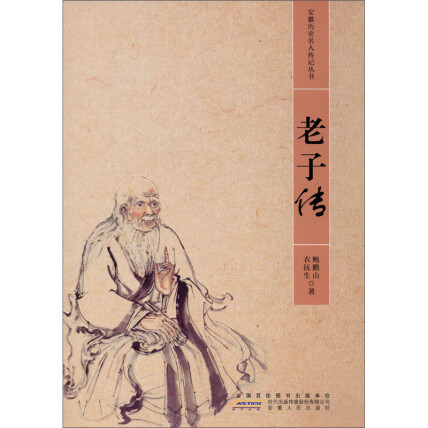
Zhang Lu · Public domain(via Wikimedia Commons)
Lao Tzu
Li Dan (dān) (571 BC - unknown), the Li family name, one said the surname was Lao, the other said the surname was Li, the given name was Er or Zhen, and the courtesy name was Dan. One is called Lao Dan, the other is Boyang. The world respects him as "Lao Tzu". It is said that Lao Dan was born in Qurenli, Li Township, Ku County, Chu State, in the Eastern Zhou Dynasty (originally belonging to the Chen State, located in Luyi County, present-day Henan Province). He studied under Shang Rong, and during the Spring and Autumn Period, he served as a historian in the Shouzang Room owned by the Eastern Zhou Kingdom. Lao Dan is considered a thinker of the Spring and Autumn Period in China. The book "Laozi" written in his name is widely known as the "Tao Te Ching" and is a Taoist classic. The teachings left by Lao Dan were later developed by Zhuang Zhou, Yang Zhu, Lie Yukou and others, and later generations regarded him as the founding master of Taoism. "Historical Records: Biography of Laozi and Han Fei" records that Confucius once asked Laozi about ritual issues. Lao Dan advocated the governance concepts of inaction, unity of nature and man, and tranquility and inaction. Like Zhuang Zhou, he was regarded as an important representative of Taoism and was collectively known as "Lao and Zhuang". Lao Tzu is revered as the founder of Taoism and Taoism, and one of the three great sages of the East. The Tang Empire claimed that Li Er was the ancestor of the Li family.
- Category
- Scholars
- Nationality
- Zhou Dynasty
- Born
- -0604-01-01
- Died
- -0500-00-00
- Wikidata
- Q9333